
Bugac is situated in the central region between the Danube and the Tisza rivers, on the Kiskunság sand ridge. Bugac, Bugacs, Bugacháza, Monostorfalva, and Bugacmonostor are all names associated with the settlement, and opinions differ regarding the origin of its name. According to the Cuman Codex, the word “Buga” means “bull,” while “Bugac” or “Bugacs” refers to a person who tends to bulls. The oldest surviving document mentioning the personal name “Bugac” dates back over 600 years, to February 4, 1391.
A document issued in Halas on December 16, 1451, precisely defined the location and setting of Bugac.
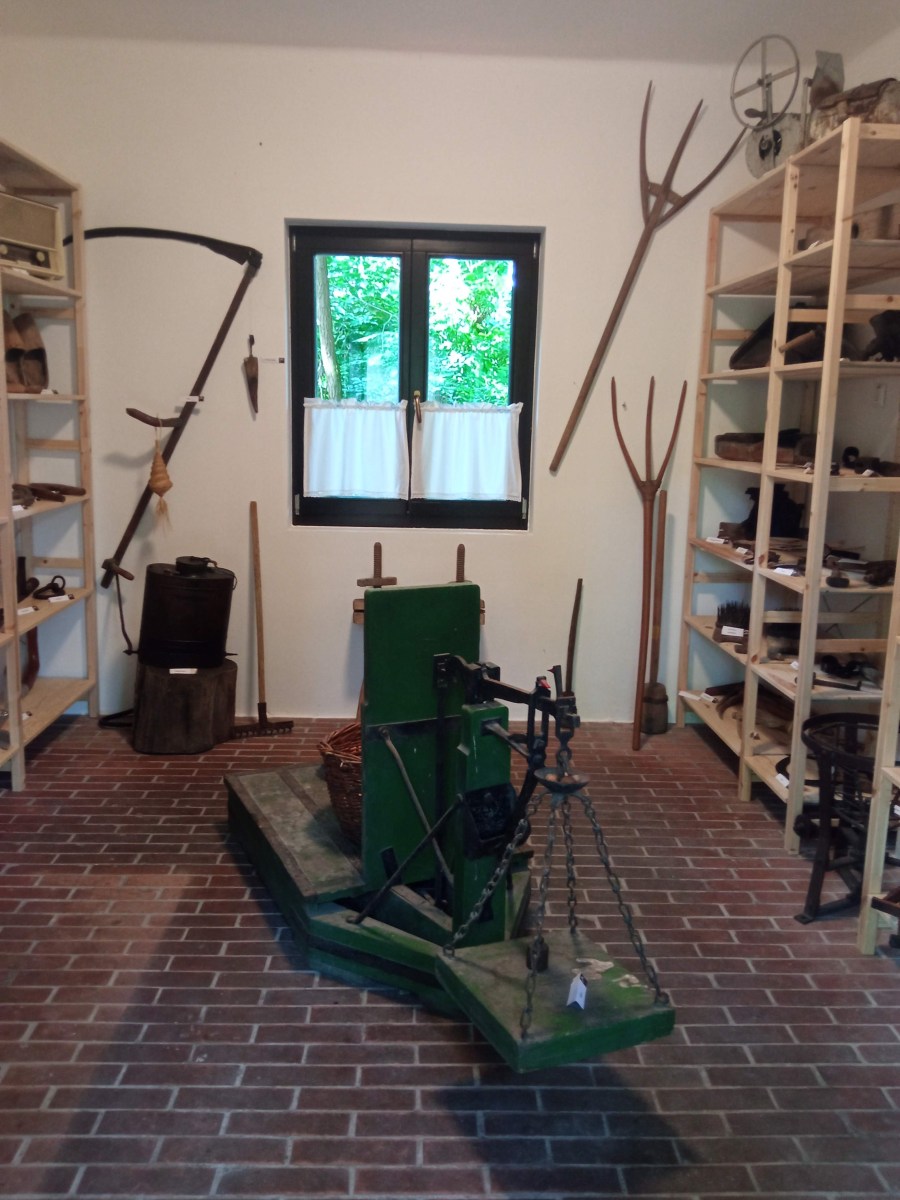
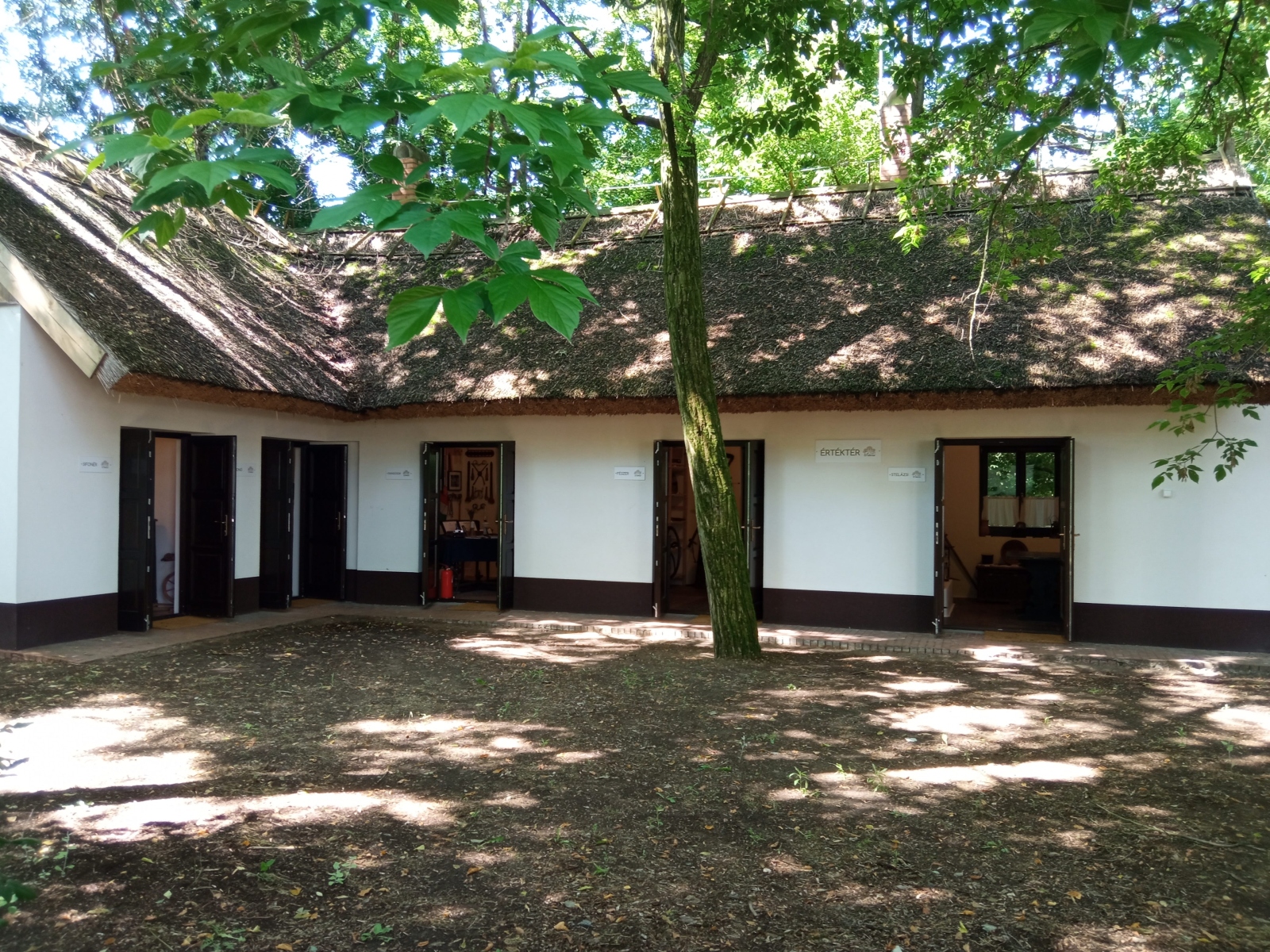
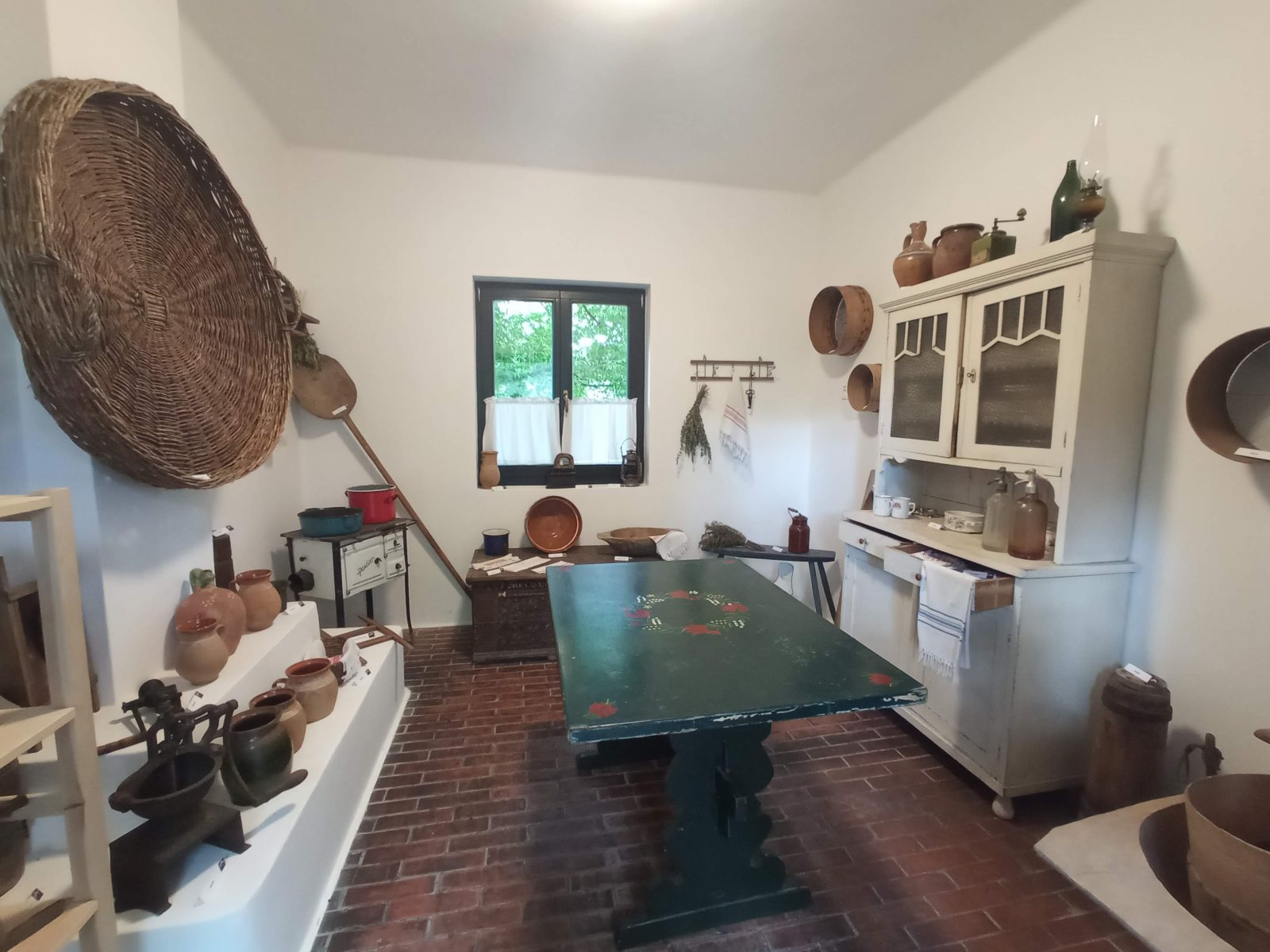
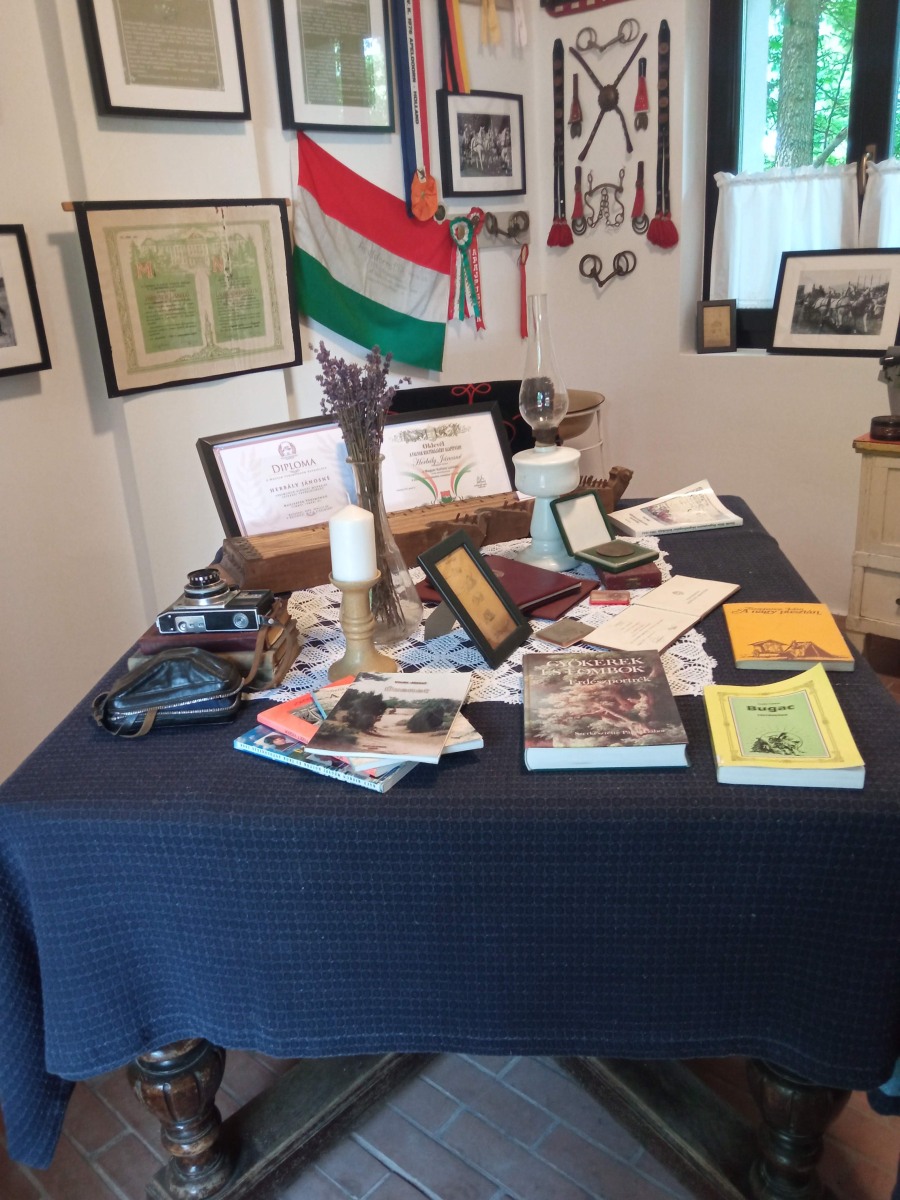
On the Bugac *puszta* (Great Plain), visitors can still view artifacts preserved from the ancient tradition of herding life.
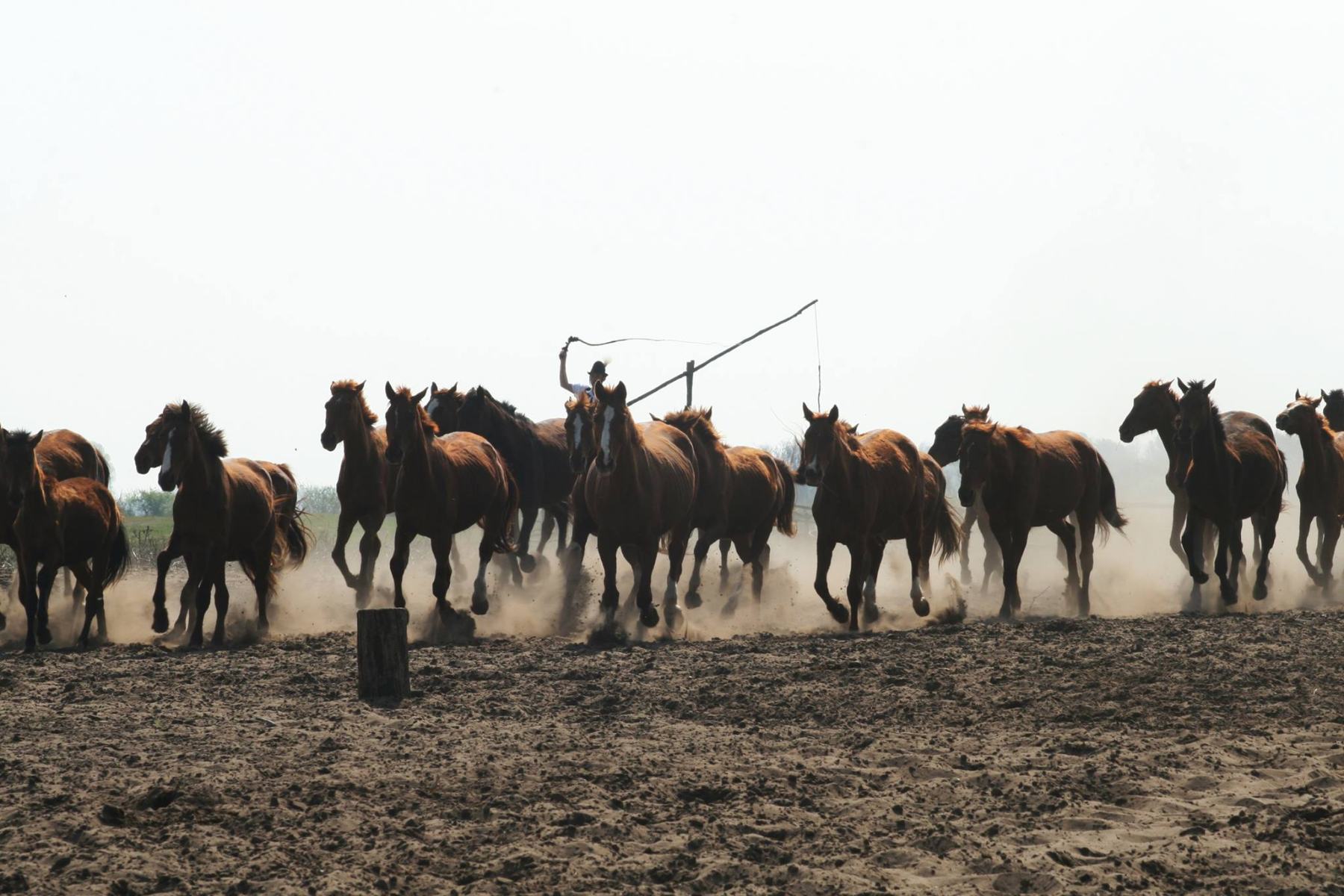
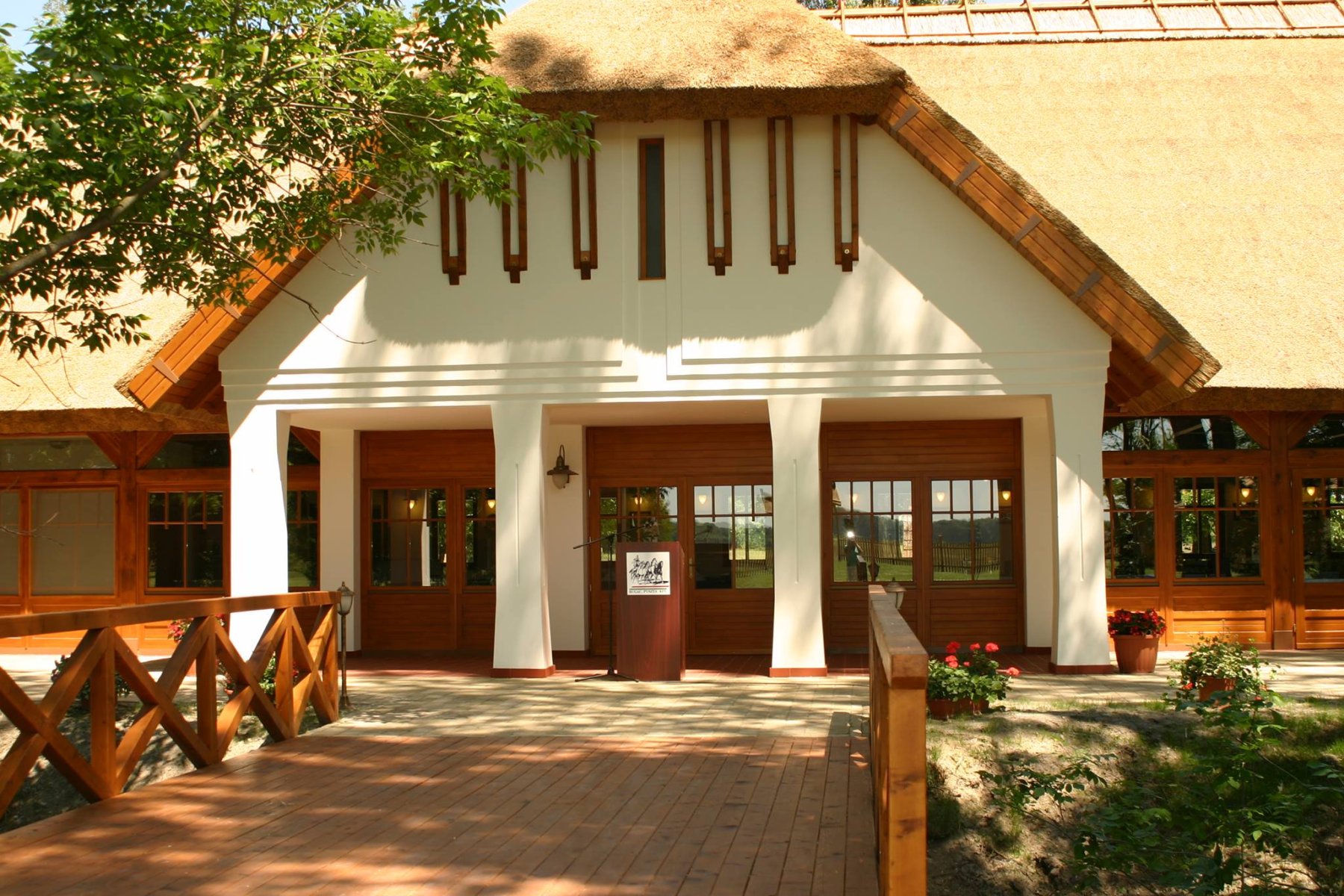
During the tourist season, daily demonstrations showcase the famous “puszta five” (a spectacular five-horse driving feat), the life of the *csikós* (traditional Hungarian horse herders), the ancient Hungarian Grey cattle breed, the stud farm, and the Racka sheep flock. After taking a walk in the National Park and watching the equestrian shows, tourists can enjoy Hungarian dishes, flavors, and fiery Great Plain wines accompanied by lively Gypsy music at the Karikás, Bugaci, and Délibáb *Csárdas* (traditional inns) or the Táltos Riding Guesthouse.