
It was first mentioned in the 14th century under the name Ballóság; a church already stood there at that time. During the Ottoman occupation, the settlement was abandoned, and the survivors fled to Kecskemét, which had meanwhile grown in importance. For a long time, the site remained an uninhabited tract of land belonging to Kecskemét, used by the city for grazing livestock.
In the early 19th century, areas prone to shifting sands were afforested, and vineyards were planted.
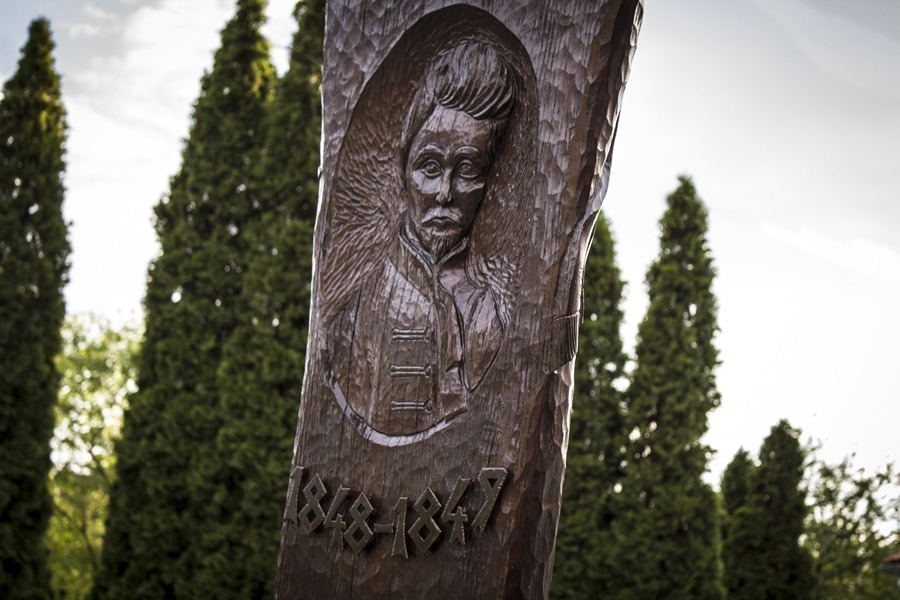
During the Revolution and War of Independence of 1848–49, approximately four thousand people from the surrounding area joined the freedom fighters, inspired by Lajos Kossuth’s recruitment tour.
By the time of the Austro-Hungarian Compromise, the liberalization of farming practices had led to 35% of the population living in outlying areas. It was during this period that the foundations for modern production methods were laid.
In 1954, the village separated from Kecskemét and became an independent settlement.